
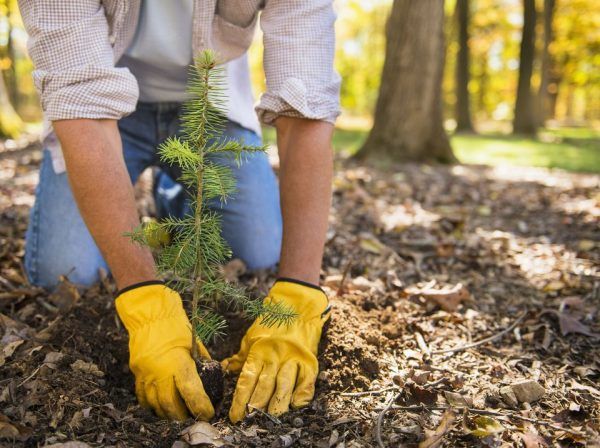

Edmonton’s trees are tough. They survive −40°C winters, late spring snowstorms, and summer drought. But surviving isn’t the same as thriving — and without regular tree pruning, even a healthy mature tree can become a liability.
This guide covers everything Edmonton homeowners need to know about tree pruning in Edmonton: when to do it, why it matters, what it costs, and what to watch out for.
Why tree pruning matters in Edmonton
Tree maintenance services like pruning aren’t cosmetic. Done correctly, professional tree pruning is one of the most impactful forms of preventative maintenance you can invest in for your property.
Here’s what regular pruning actually does for your trees:
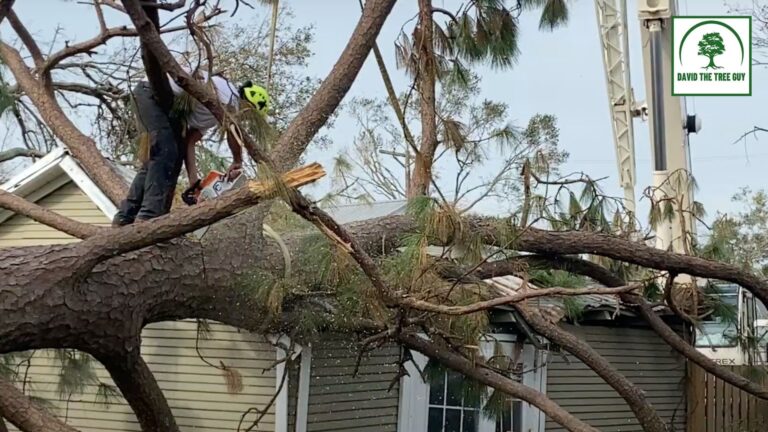
- Removes hazards before they become emergencies. Dead branches don’t announce when they’re going to fall. In Edmonton, heavy spring snow and summer windstorms are the most common culprits behind sudden branch failures. Proactive pruning removes deadwood and reduces the weight of extended limbs before a storm makes that decision for you — often through your fence, car, or roof.
- Extends the life of mature trees. Removing diseased, damaged, or crossing branches improves airflow through the canopy, reduces fungal pressure, and allows the tree to put energy into healthy growth instead of maintaining failing wood. A well-maintained elm or spruce in Edmonton can live for generations. A neglected one often doesn’t.
- Protects against disease spread. Many of Edmonton’s most serious tree diseases — including cytospora canker in spruce and fire blight in fruit trees — spread through wounds and dying wood. Timely removal of infected material, with proper cut placement to avoid leaving stubs, is one of the most effective disease management tools available.
- Increases property value and curb appeal. A well-shaped, healthy tree adds real estate value. An overgrown, deadwood-heavy tree does the opposite — and can complicate home sales if it’s flagged in a property inspection.
When to prune trees in Edmonton
Timing depends on the species, but for most Edmonton trees the general guidance is:
Dormant season (October through March) is the best window for structural pruning of most deciduous trees — elms, poplars, maples, and ash. The tree is dormant, insect and fungal pressure is minimal, and the structure of the tree is visible without foliage in the way. Wounds seal more effectively when the tree breaks dormancy in spring.
⚠ Edmonton elm pruning bylaw
Elm trees must not be pruned between April 1 and August 31. This City of Edmonton bylaw reduces Dutch elm disease transmission by the elm bark beetle. If you have elm trees, schedule pruning in fall or late winter. An ISA certified arborist will always advise you on this before booking work.
Fruit trees (apple, pear, cherry) benefit from pruning in late fall or early winter, after the tree has fully gone dormant. This promotes better fruit yield and reduces disease pressure the following season.
Deadwood and hazard pruning can be performed year-round — dead branches don’t follow seasonal rules, and if a limb poses an immediate hazard, it should be removed regardless of the calendar. Contact us any time for urgent hazard assessments.
Spruce and evergreen trees can be lightly pruned in late spring when new growth has hardened off, though major structural work is still best done in the dormant season.
What proper tree pruning looks like — and what to avoid
When you hire a certified arborist in Edmonton for tree pruning, you should see the following practices:
- Cuts made just outside the branch collar — the slightly raised area where the branch meets the trunk. This is where the tree’s wound-sealing tissue is located. Cuts too close (flush cuts) remove this tissue; cuts too far out leave stubs that rot inward.
- No removal of more than 25% of live canopy in a single season for most mature trees. Removing too much at once stresses the tree and can trigger excessive water-sprout growth.
- No “topping.” Topping — cutting the main trunk or major branches back to stubs — is widely considered malpractice in arboriculture. It creates large open wounds, leads to weak regrowth, and significantly shortens the life of the tree. If a company recommends topping your tree, find someone else.
- Proper cleanup. All debris removed, chips cleared or offered to you for mulch use.
Why choose an ISA certified arborist?
ISA certified arborists are trained professionals who follow ANSI A300 pruning standards. David Wolfslehner holds certification PR-5013A — verifiable through the ISA’s public registry. Learn more about our arborist services →
Edmonton tree pruning FAQ
Can I prune my own trees in Edmonton?
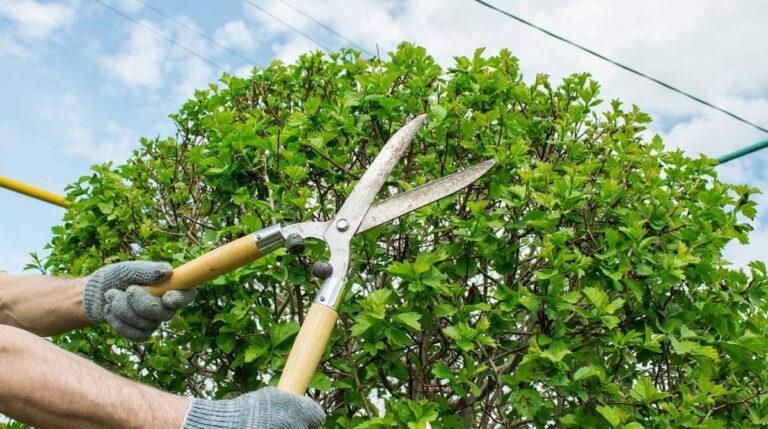
For small ornamentals and shrubs, yes — basic deadwood removal and light shaping with hand pruners or loppers is fine. For any work requiring a ladder, chainsaw, or proximity to power lines, hire a professional tree care expert. Tree work is one of the most dangerous trades; falls from ladders and struck-by incidents from cut limbs are serious risks. Contact us for a free quote →
Do I need a permit to prune a tree in Edmonton?
Generally no, for trees on private property. However, if a tree is on or near City property (boulevard trees, trees in utility right-of-ways), contact the City of Edmonton before doing any work. Elm trees also have specific bylaw restrictions as noted above. Our local tree experts can advise you on permit requirements specific to your property.
How often should I prune my trees?
Most mature trees benefit from professional inspection and light tree pruning every 2 to 3 years. Younger trees in their first 10 years benefit from more frequent structural pruning to establish good form early. Fruit trees typically need annual pruning. Our tree maintenance service plans include regular visits on a schedule that works for your property.
What’s the difference between pruning and trimming?
Technically, pruning refers to the selective removal of branches for health, structure, or safety — guided by knowledge of tree biology. Trimming usually refers to shaping for aesthetics. In practice, many companies use the terms interchangeably, but an ISA certified arborist approaches all pruning with the health and longevity of the tree as the primary goal.
Do you offer tree removal in Edmonton as well?
Yes — in addition to tree pruning in Edmonton, we provide full tree removal services for dead, diseased, hazardous, or unwanted trees. Get a free estimate →


 Admin
Admin 


+ There are no comments
Add yours